
What is Filariasis?
- Dec 25, 2022
- 2 min read
Filariasis is a parasitic and infectious disease that is spread by mosquito bites. It causes symptoms such as fever, inflammation, and swelling.
History
Indeed, historical evidence has shown that filariasis was found in human blood, pox fluid, and lymph nodes during the 19th century. Also, although it is still not proven, there is also a hypothesis that filariasis has been around since the 15th century BC. According to the picture above, the symptoms and superficial characteristics of the princess in the picture are expressed that the princess suffers from filariasis.
Symptom
Filariasis usually causes people to have symptoms like inflammation, swelling, or fever. When you have filariasis, the hardening and thickening of the skin can be caused. However, some people do not experience symptoms.
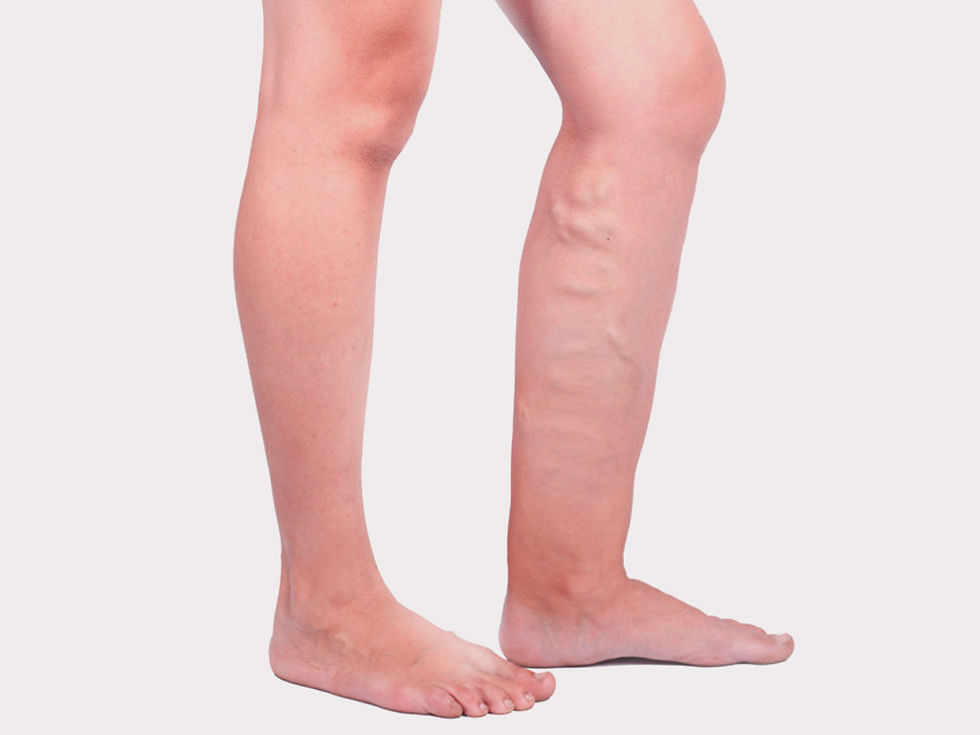
IMG Credit: mfine.co
1. Inflammation
It is a process through which the white blood cells in your body and the substance they produce guard you against infection from outside invaders like bacteria and viruses, including filariasis.
2. Lymphedema
It swells as a result of an accumulation of lymph fluid in the body. Similar to a drain in a sink, lymph nodes function. Usually, the arms or legs are affected.
3. Hydrocele
When fluid builds up in the flimsy sheath that encloses a teticle, it causes another sort of scrotal enlargement on your body.
Cause
First of all, filariasis is spread from person to person. Plus, mosquito bites encourage and spread the disease.

IMG Credit: BYJU'S
Parasite
Infection with nematodes and roundworms belonging to the family Filariodidea is what causes filariasis. These thread-like filarial worms come in three different varieties: 90 percent of cases are caused by wuchereria. Brugia malayi causes the disease to remain. Brugia timori causes infection.
Treatment
When you infected with the parasite
Diethylcarbamazine (DEC) is the drug of choice in the United States. The drug kills the microfilariae and some of the adult worms. It is the most effective way to kill the parasite, but it has side effects like dizziness, fever, and headache.
When you have clinical symptoms
To prevent filariasis from getting worse, patients should ask their physician and try to cure the symptom with hygiene, elevation, exercises, skin and wound care, and wearing appropriate shoes.

IMG Credit: myUpchar
Works Cited


Comments