
Eating Disorders
- Dec 25, 2022
- 2 min read
Have you ever thought about losing weight because you think you look too fat, even, in fact, you are not? This situation might lead you to have eating disorders. The statistics from ANAD, state that at least 9% of the worldwide population is struggling with eating disorders.
Binge Eating Disorder
One common example of an eating disorder is Binge Eating Disorder (BED). 2% of the worldwide population states that they have suffered from BED. People with BED eat much more rapidly than normal people. They do not stop eating until they are uncomfortably full. After their episodes of eating large amounts of food, they feel extreme guilt or disgust with themselves.
Anorexia Nervosa
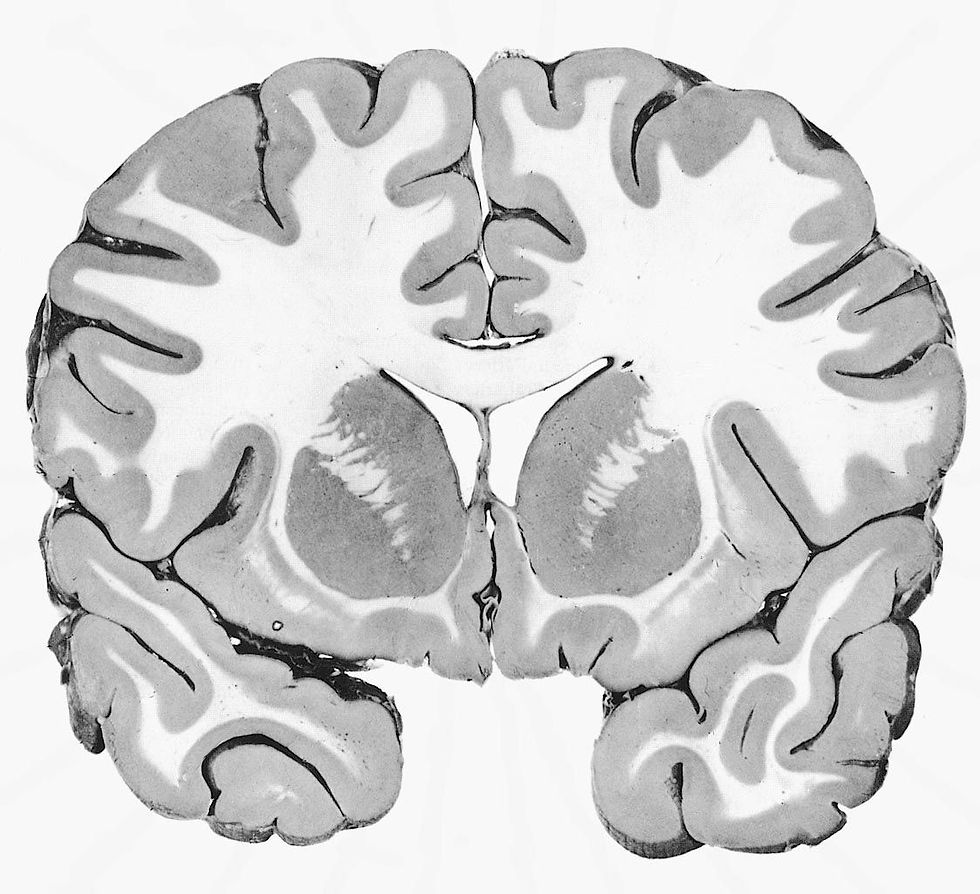
People with Anorexia Nervosa refuse to eat due to their obsession with weight or body dysmorphia. Body Dysmorphic disorder is a mental health disease in which a person obsesses over physical imperfections which are often unnoticeable to others. There are psychiatric traits and metabolic traits of Anorexia Nervosa. For Psychiatric traits, people tend to have depression, anxiety problems, neuroticism, schizophrenia, or OCD. Anorexia Nervosa may cause nutritional deprivation. Anorexia Nervosa is also related to brain atrophy. Brain Atrophy, a loss of neurons and the connections between them, negatively affects one’s thinking, memory, and task performance. Additionally, symptoms of brain atrophy include dementia, seizures, and aphasias.

IMG Credit: Alamy Stock Photo
Treatments
There are many ways to treat eating disorders, such as therapy, medication, and education. Eating disorders have not been found to be as responsive to medicine. That’s why treating eating disorders with medication is challenging. As a term for nutrition, rehabilitation nutrition is often used on eating disorders patients. It is a process that restores or enhances one’s nutritional status after one’s illness. Many people with eating disorders struggle with anxiety, mood swings, and depression. As a result of that, medication such as antidepressants, antipsychotics, or mood stabilizers would help people. Eating disorders are closely associated with one's culture where there is an emphasis on thinness. Thus, therapy and education about eating disorders would increase awareness of not only the diseases but also of themselves.

Figure Source: Cambridge University Press
Reference


Comments